Introduction
Zazzle is one of the world's leading print-on-demand marketplaces, connecting independent designers with customers who want personalized products. Unlike traditional online stores that keep inventory in stock, Zazzle manufactures products only after an order is placed.
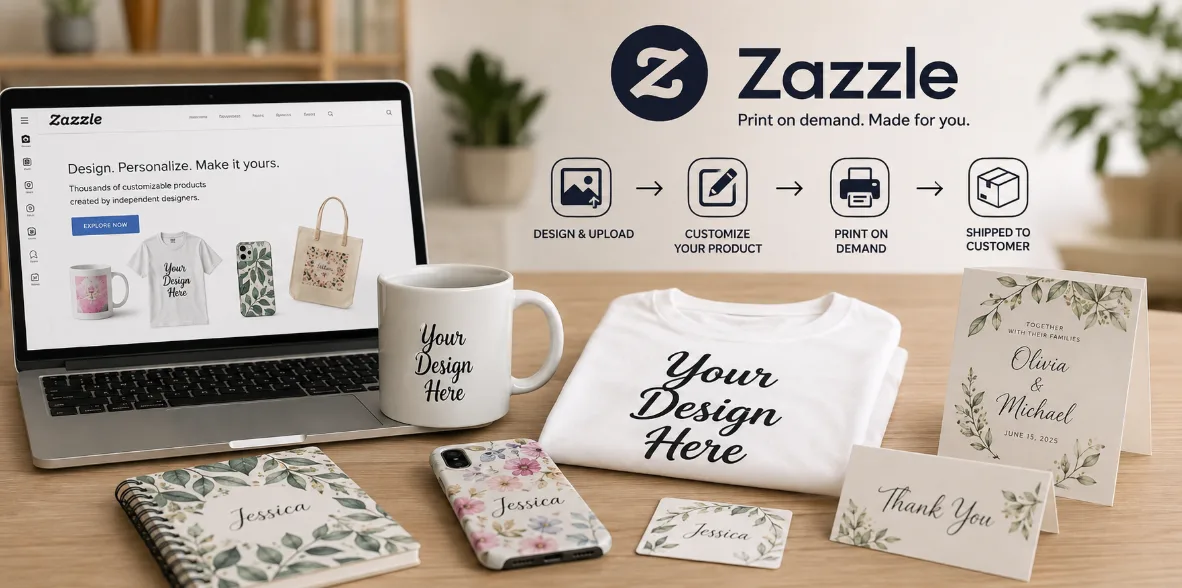
Step 1: Designers Upload Their Artwork
The process begins when independent designers create original artwork and upload it to their Zazzle storefronts.
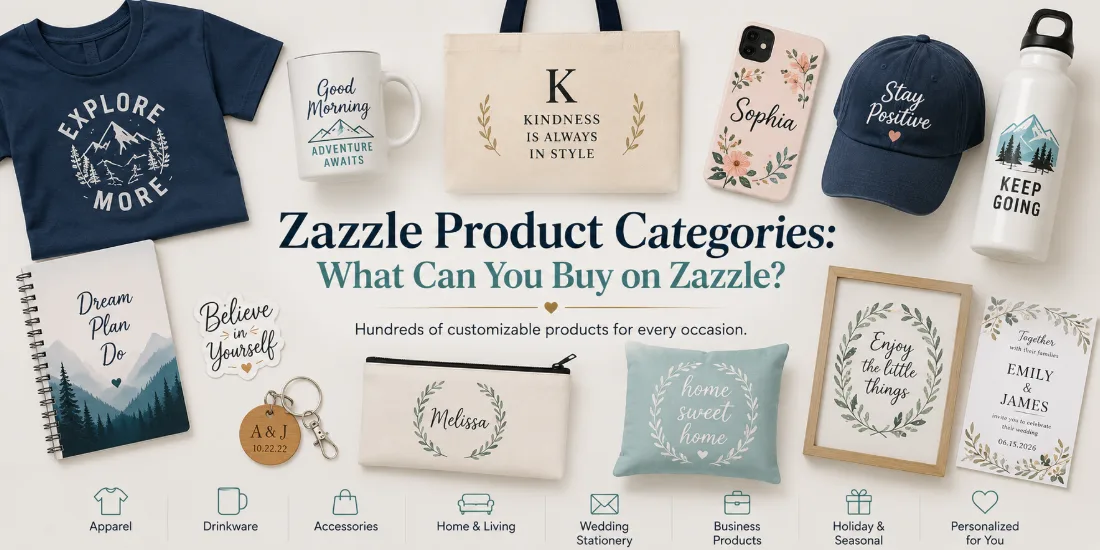
Instead of producing physical products themselves, creators apply their designs to a wide range of customizable items, including:
- T-shirts
- Coffee mugs
- Hats
- Tote bags
- Phone cases
- Stickers
- Posters
- Home décor
- Office supplies
Each designer can organize products into collections, making it easier for customers to browse related items.
Step 2: Customers Customize Products
After selecting a design, customers can personalize many products before purchasing.
Depending on the product, they may be able to:
- Add a name
- Change text
- Upload a photo
- Choose different colors
- Select product sizes or styles
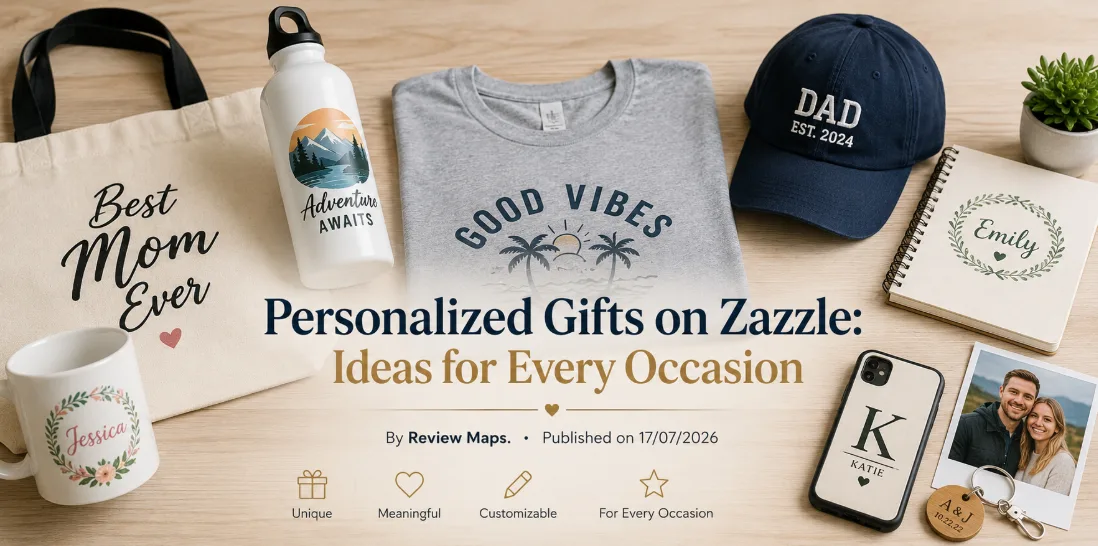
This flexibility is one of the main reasons Zazzle has become popular for personalized gifts and special occasions.
Step 3: Products Are Printed on Demand
Unlike traditional retail stores, products are not manufactured until an order is confirmed.
Once a customer completes their purchase:
- The order is sent to a manufacturing partner.
- The design is printed or applied to the selected product.
- Quality checks are performed.
- The finished item is packaged and shipped directly to the customer.
This print-on-demand process reduces unnecessary inventory and allows creators to offer a large variety of products without managing storage or fulfillment.
Step 4: Independent Designers Earn Royalties
Every time a product featuring a creator's design is sold, the designer receives a royalty based on the percentage they have chosen for that product.
Because creators are not responsible for manufacturing or shipping, they can spend more time creating new artwork and expanding their storefronts.
What Does a Zazzle Storefront Look Like?
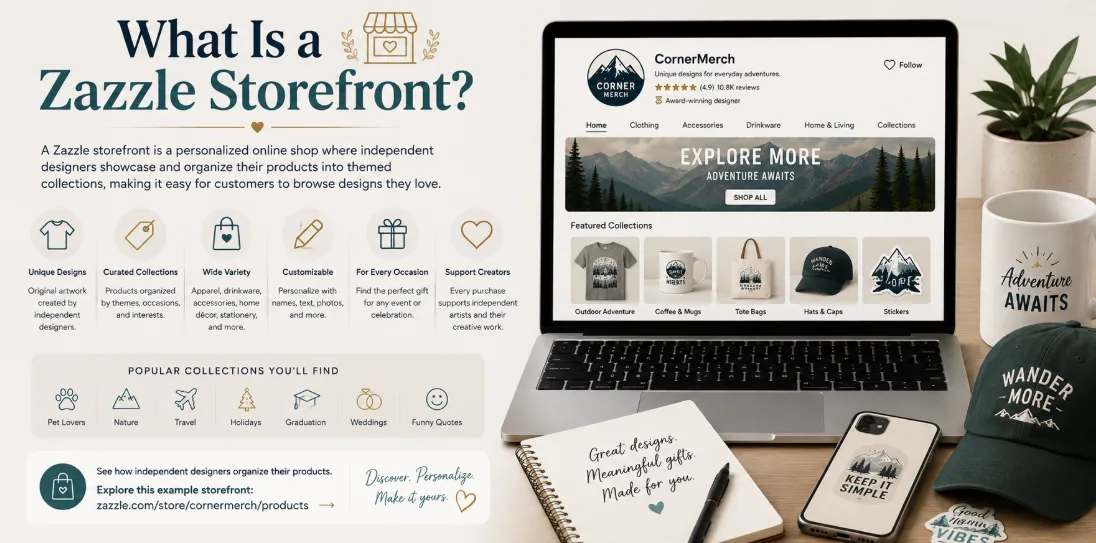
Each independent designer manages a storefront that showcases products and themed collections.
A typical storefront may include:
- Apparel
- Drinkware
- Accessories
- Holiday gifts
- Home décor
- Seasonal collections
If you'd like to see how products are organized inside a real creator storefront, you can explore this:
example independent designer storefront
This example demonstrates how apparel, drinkware, accessories, and customizable gifts can be grouped into collections for easier browsing.
Why This Business Model Works
The print-on-demand model benefits everyone involved:
For customers
- Personalized products
- Millions of unique designs
- No mass-produced inventory
For designers
- No inventory costs
- No shipping responsibilities
- Opportunity to earn royalties
For Zazzle
- A constantly expanding marketplace
- Diverse product selection
- Global community of independent creators
Final Thoughts
Zazzle combines e-commerce, customization, and print-on-demand manufacturing into a single marketplace that supports both shoppers and creators.
From uploading artwork to printing customized products only after an order is placed, every step is designed to simplify the selling process for independent designers while giving customers access to unique, personalized merchandise.
One of the most popular uses of Zazzle is creating personalized wedding stationery. Couples can customize invitations, RSVP cards, menus, and thank-you cards to match their wedding theme. If you're interested in seeing how these products are presented, browse this wedding invitation collection.